
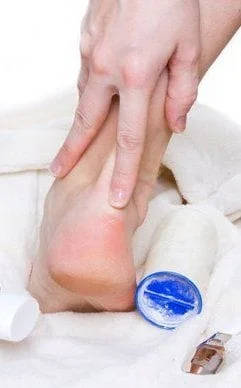
Calluses and corns are foot conditions that develop as a result of repeated friction and pressure on the skin. While they are often minor nuisances, in some situations, they can lead to discomfort and pain if left untreated. Dr. Kristine Strauss, your Charlotte, North Carolina, podiatrist at Charlotte Foot and Ankle Specialists, wants you to understand these conditions and how they can be treated.
What Are Calluses?
Calluses are thickened areas of skin that form on the feet, typically on the soles or the sides of the toes. They develop as a protective response to excessive friction or pressure, often caused by ill-fitting shoes, high-impact activities, or abnormal foot mechanics. Calluses can vary in size and thickness, and while they are generally not painful, they can become uncomfortable if they grow too thick or if pressure is applied.
What Are Corns?
Corns are similar to calluses but are usually smaller. They often develop on the tops or sides of the toes and have a hard center surrounded by inflamed skin. Corns are typically caused by friction from footwear or abnormal toe positioning, such as hammertoes. Unlike calluses, corns can be quite painful, especially when pressure is applied, making it difficult to wear shoes comfortably.
Symptoms of Calluses and Corns
The primary symptom of both calluses and corns is the presence of thickened skin on the feet. Calluses may feel rough and dry, while corns can be tender and painful to the touch. People may also experience discomfort when walking or standing, particularly if the affected area is subjected to pressure from shoes. If you notice any changes in the appearance of your feet or experience pain, seek professional evaluation at Charlotte Foot and Ankle Specialists.
Treatment Options for Calluses and Corns
Dr. Strauss can provide treatments for the relief and prevention of calluses and corns. Starting treatment at our Charlotte, North Carolina, office typically involves a thorough examination of the feet to determine the underlying causes of the condition.
For calluses, a podiatrist may recommend gentle debridement, which involves safely removing the thickened skin using specialized tools. This process can help alleviate discomfort and restore a smoother surface to the skin. Additionally, the podiatrist may provide recommendations for proper footwear and orthotics to reduce friction and pressure on the affected areas.
In the case of corns, treatment may involve similar debridement techniques to remove the hardened center. Dr. Strauss may also assess the alignment of the toes and recommend corrective measures, such as padding or orthotics, to alleviate pressure and prevent recurrence.
Preventing Calluses and Corns
Preventing calluses and corns involves determining the causes of friction and pressure. Wearing well-fitting shoes with adequate cushioning and support is essential for maintaining foot health. Avoiding high heels or shoes with narrow toe boxes can reduce the risk of developing corns. Additionally, maintaining proper foot hygiene and moisturizing the feet can keep the skin healthy and reduce the likelihood of callus formation.
Manage Calluses and Corns with Podiatric Care
Calluses and corns are common foot conditions, but they can lead to discomfort and pain if they aren’t managed correctly. At Charlotte Foot and Ankle Specialists, we provide personalized care to help you manage calluses and corns. If you are experiencing discomfort or have concerns about your foot health, schedule a consultation with Dr. Kristine Strauss in Charlotte, North Carolina, by calling (704) 504-4000.